



For every skipper
Skipper’s Handbook
Congratulations on becoming a licensed skipper! 🎉 Or just thinking to become one!
We’ve developed this page to guide in your adventures be it on your own voyage around the world or just chartering a boat closer to home.
Below you’ll find information we’ve deemed necessary to every sailor.
Safety

From life-saving equipment to emergency protocols, your top priority is to create a secure environment for everyone on board. So you (and your crew) can relax and indulge in sailing adventures with peace of mind.
Thusly we’ve put together these pop-up guides. Familiarize yourself with the information and return to this page whenever you need assistance.
The weather, how to check it?
Boat C/I & Safety Items Checklist
This is a basic standard checklist; it is only a suggestion, and we recommend you as Skipper to check with local laws and regulations before departure.
We recommend you, to check the following items before each departure. Each item should be easily accessible and up to date. You, as Skipper should know how to use each item and teach crew where applicable.
WOBBLE(S)on a daily basis
Water. Oil. Belt. Bilge. Leaks. Exhaust. Strainer.
Boat C/I
On Deck
Sailing
Rigging (& Rollers)
Sails
Halyards
Sheets
Outhaul
Topping Lift
Kicker
Main Sheet
Traveler
Reefing Lines (If applicable)
Furling lines (If applicable)
Spinnaker Halyard (if applicable}
Overall Aspect
Check for damages, signs of wear &tear
Hull Scratches & Repairs
Bow Scratches (both sides)
Below Deck
Engine Compartment
Fire extinguisher (automatic?)
Oil dipstick
Water pump & overheating alarm
Manual shutoff
Diesel pre-filter & filter
Diesel tank valve
Engine battery
Electric
Where is engine breaker?
Where is service breaker?
Where is windlass breaker?
Where is bow thrusters' breaker? (If applicable)
Is service circuit separated from engine?
Domestic
Bed linen and towels
Fridge drain? (if fitted, check if it works)
Check each Head
Check deck shower
Water tanks switch valve
Docking / Anchoring
Anchor & Chain (how long? m); check manual deployment
Spare anchor
Check warps for chafe; wear & tear signs
Extra line(s) >50m
Fenders (how many? pcs.)
Instruments
Sonar
Waterline
Under the keel
Crew Briefing
On Deck
Avoid excessive tension on warps
Avoid flapping sails
Instruct upon which way to go from stern to bow when sailing
Non-verbal communication
MOB drill (under engine)
DSC Call (if fitted)
Location of lifejackets and harnesses
Life raft, horse shoes, Dan buoy
Dinghy training
Anchoring training
Daily cleaning routine
Below Deck
Location of fire extinguishers, fire blanket, etc.
Location of First Aid kits
Location of gas bottles, gas valves, induction on cooker usage
VHF training
How to use the heads
Where is the fresh water tanks valve
Methods for saving water
Pumps on/off switches
Lights switches/ 12 V/220V
No wet feet/sand down below
Preventing motion sickness
Close hatches when sailing/raining
Docking / Anchoring
Fend off using fenders (NO HANDS or FEET)
Useful knots (clove hitch, cleat knot, tidy up the snakes)
No jumping on pontoons, STEP OFF (don't jump)
Music OFF when maneuvering.
VHF Distress Call: Mayday
On channel 16, say what is written below, slowly:
→ MAYDAY. MAYDAY. MAYDAY. THIS IS __________[vessel name & call sign]
→ MAYDAY [vessel name]
→ OUR POSITION IS__________ [Buoy number or GPS]
→ OUR PROBLEM IS __________ [Describe what happened]
→ I REQUIRE _______________ [Describe the assistance you require]
→ THERE ARE _______[number] PEOPLE ON BOARD
→ THEY ARE [OK/INJURED/OVERBOARD]
→ WE ARE A [POWER/SAIL] BOAT,____[size], ____[colors]
→ OVER.
Release the button and listen for a reply.
Repeat every 60 seconds until you get an answer.
Maneuvers
In case you need to refresh your memory, you can watch as many times you want, our basic maneuvers. The section is constantly growing so please come back and check it regularly, or just subscribe to our newsletter form the form below.
Stern To (with anchor)
When we refer to anchoring stern-to, we're describing the practice of lowering an anchor, reversing the boat, and securing it to the dock or riva. Whether you're navigating the waters of Greece, Croatia, or any other renowned Mediterranean destination, mastering this skill can be the deciding factor between a delightful vacation and potential yacht damage.
Alongside
Coming Alongside a Pontoon into the wind or tidal stream can be done very simply, safely and easily using a technique known as ferry gliding. By using the element/s to control your speed and direction with gentle throttle use you can 'crab' your boat into a pontoon to ensure you arrive gently
Heave To
In sailing, heaving to (to heave to and to be hove to) is a way of slowing a sailing vessel's forward progress, as well as fixing the helm and sail positions so that the vessel does not have to be steered.
Sailing Knots
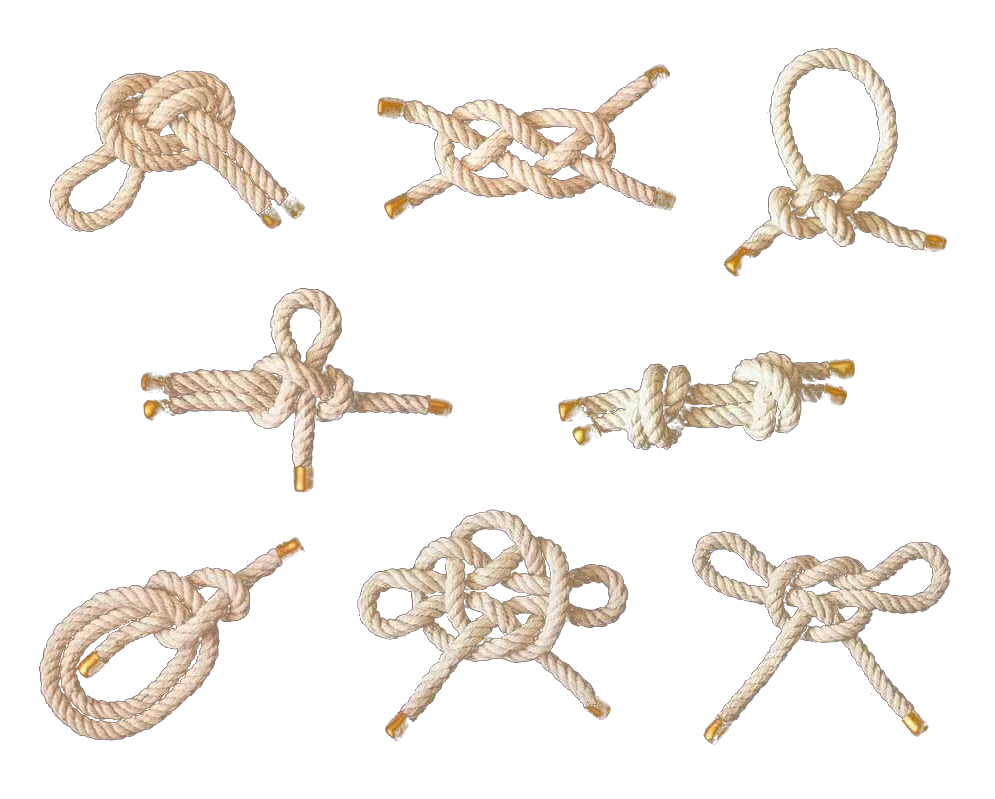
Knots are the unsung heroes of sailing, serving as the essential bonds that secure everything in place. They are the seamanship's language, connecting sailors to their vessels, sails, and safety. From reefing sails to docking securely, mastering the art of knots is not just a skill but a sailor's lifeline, ensuring smooth and safe journeys on the high seas.
Books & Dictionary
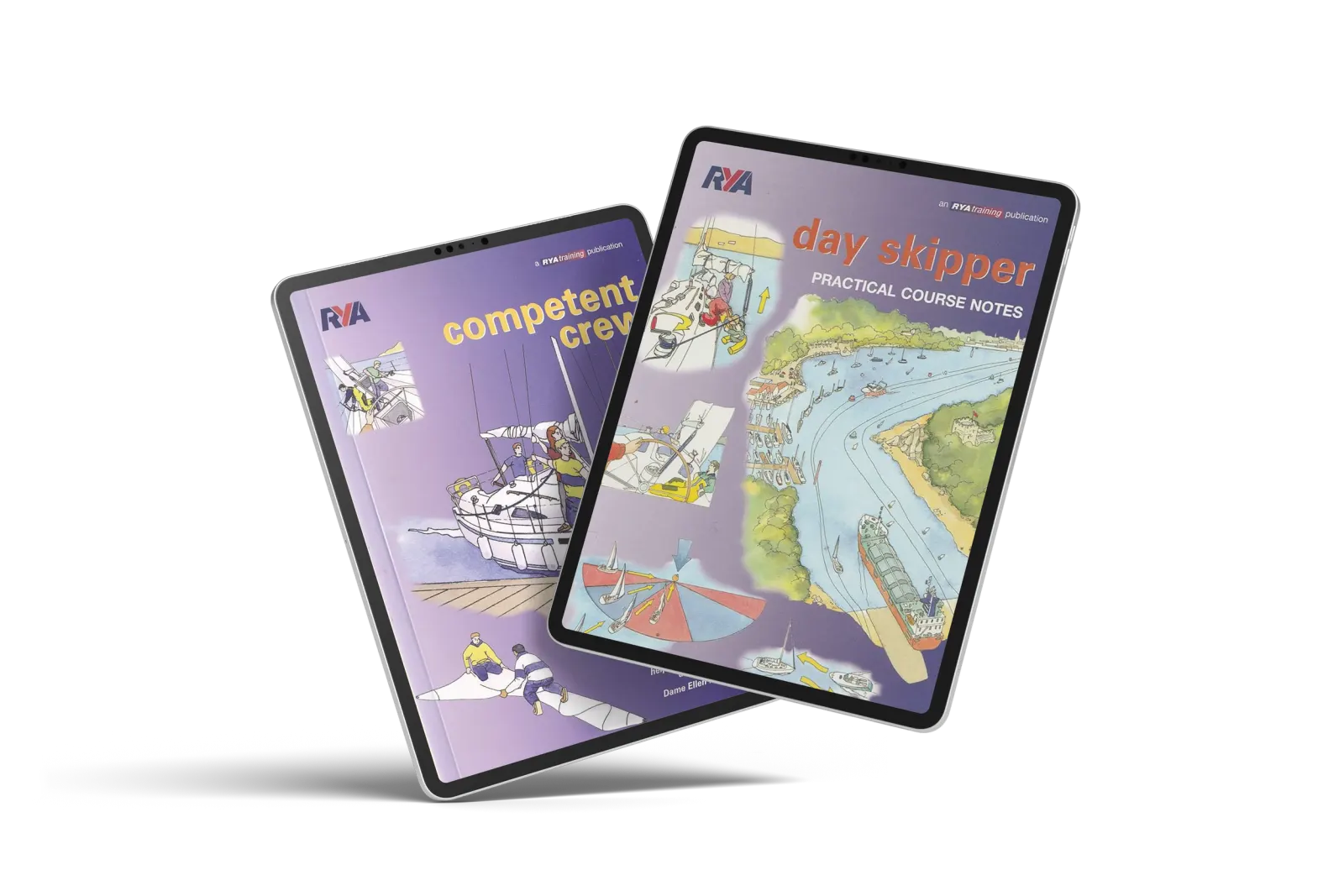
We don’t love turning the house upside-down searching for anything, and we sure don’t want to make a mess looking for a book we’ve misplaced so here’s the digital versions of the books provided by RYA so you don’t have to look for yours.
Charter

Speaking of charters, we are offering sailing and motor boats all over the world with discount. Just send us an email at anchor@sailingxperience.com with the destination, period and boat layout and we will send you the best offers possible
Practice

You’ve passed your exams but don’t feel quite ready to take your family and friends on a holiday? Don’t worry! We’ve got you covered.
Check out skill building week-long courses: